
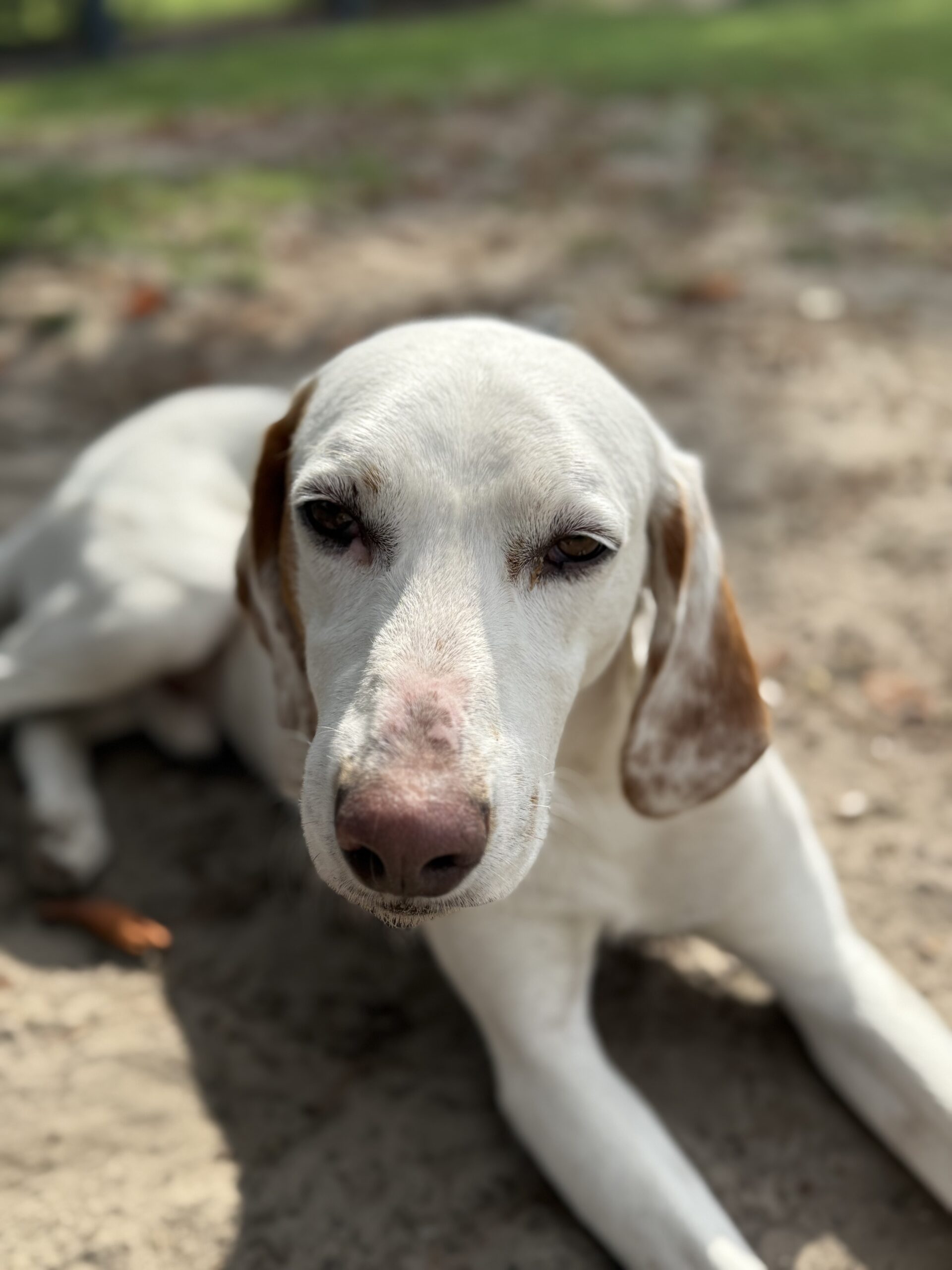
Hunting with dogs is a tradition deeply engrained in American culture. This tradition reaches back to the 18th Century in America, when George Washington combined hounds from France and Virginia to create the “perfect” hunting dog for American terrain, the American Foxhound.
Today, American Foxhounds are used to hunt small and larger game. For hunters that use dogs, the number of dogs each hunter owns varies significantly. According to a study in Florida from 1972, 80% of hunters use ten or less dogs. The 20% that use more than ten dogs are using most of the dog population with 53%. Hunters that use more than ten dogs tend to only utilize the dogs for hunting, treating them more as a device than a pet. Hunters with less dogs are more likely to make sure every dog is well cared for and microchipped, and the dogs may even live indoors with the hunter’s family. Because of the emotional attachment hunters with less dogs have with each dog; these hunters are less likely to abandon their hunting dogs.
Hunters with more than ten dogs will often have a kennel for these dogs to live in when they are not hunting. These kennels look like the kennels at a humane society, as there is not much space and the dogs are in individual kennels. As dogs are pack animals, this separation and isolation is bad for the hunting dogs’ well-being. Placing the dogs in a kennel creates a detachment from the hunter and the dogs, making it easier for the hunter to abandon or harm the dogs. Hunting dogs end up being expensive to take care of, so at the end of hunting season, hunters with large quantities of dogs are known to abandon the dogs. It has been found that picking up a new pack of dogs right before the next hunting season is cheaper than feeding and taking care of a hunting pack during the off-season.
Due to how many hunting dogs are being legally abandoned in South Carolina specifically, shelters are being flooded with stray hunting dogs. Shelters see a spike in hounds at the end of deer hunting season, overwhelming the shelter. In a one-year span, Charleston Animal Society took in 290 hounds, and only 47 of them were returned to their owners. At another animal shelter, Dorchester Paws, 258 hounds were brought in as strays in 2017. The shelter mentioned that lost or abandoned hunting dogs often have splayed feet from being in a kennel with unstable flooring, scarred and ripped ears, untreated ear and neck wounds, and brightly colored collars with their name plates torn off. If it was illegal to abandon hunting dogs, fines from people charged with abandonment could go to local shelters to help take care of the issue.
Abandoned dogs end up with many issues, including but not limited to:
- Malnutrition
- Dehydration
- Broken bones and other injuries resulting from outdoor hazards
- Disease
- Behavioral challenges, including mistrust in humans, house-training issues, food guarding or resource aggression, and difficulty socializing